
How to choose a frozen yoghurt machine
An honest, practical guide to choosing soft serve equipment for a café, kiosk or self-serve store. Built from the questions we hear most from new store owners.
Start with your venue
The right machine depends less on brand and more on how you serve. Find the venue closest to yours.
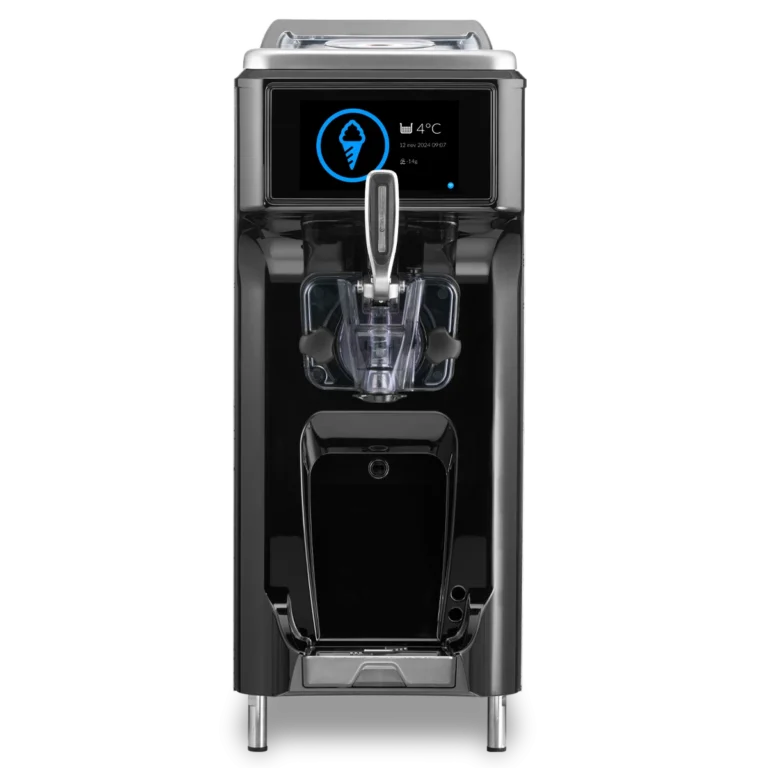
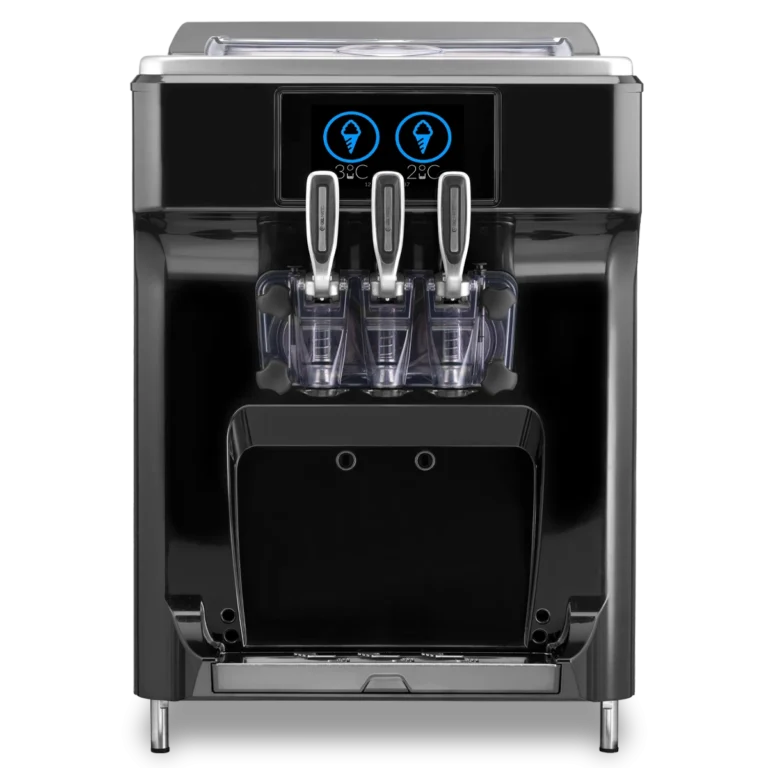
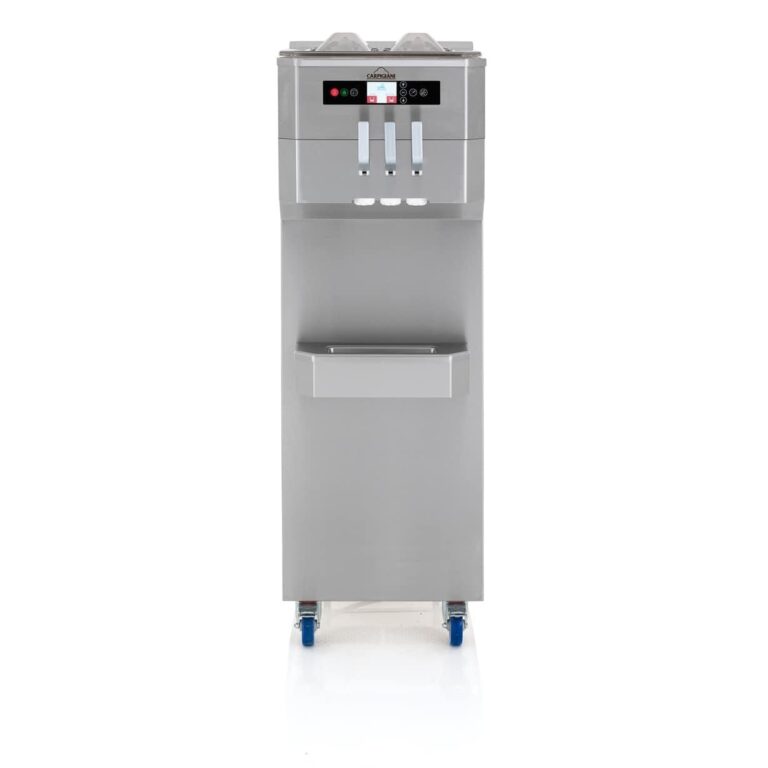
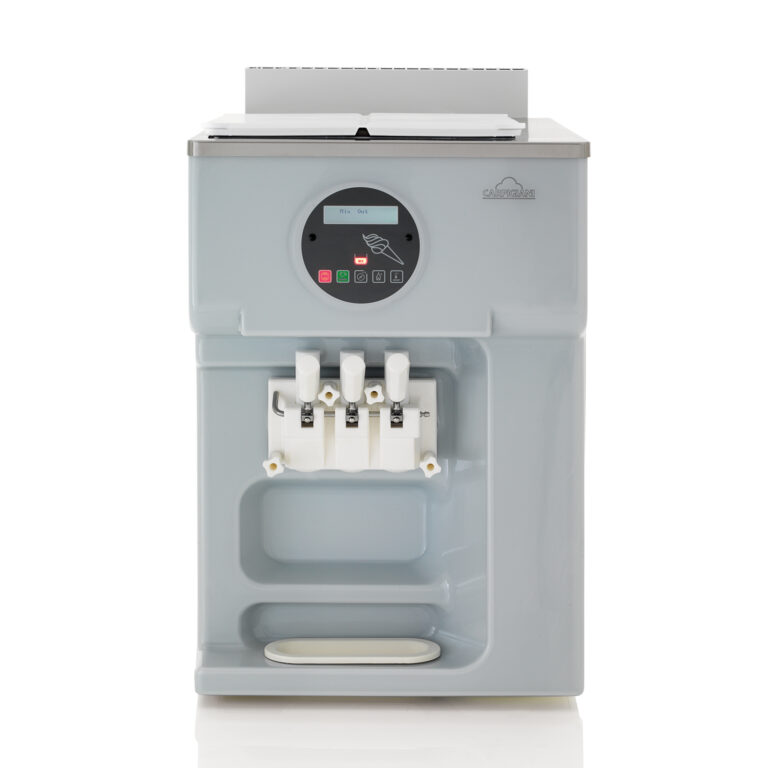
Five questions to answer before you buy
01 How many flavours?
Single-flavour machines suit cafés and small menus. Twin-twist machines serve two flavours plus a swirl and are the standard for self-serve walls.
02 How busy is your peak?
Size the machine for your busiest hour, not an average day. Output ranges from about 18 kg per hour (Giotto 11) to over 40 kg per hour (BV Easy 2).
03 Where will it go?
Countertop machines need a solid bench and room for airflow. Floor-standing machines free the bench and suit all-day trade.
04 What power do you have?
Check single or three phase before you choose. Upgrading a supply can add time and cost to a fit-out.
05 Gravity, pump or heat treatment?
Gravity gives a denser product; pump-fed adds air for a lighter texture and more serves per litre. Heat-treatment models reduce full clean-downs.
What it really costs
We do not publish prices because they depend on model, finance and installation. Here is everything you should budget for, so there are no surprises.
| Cost item | What to plan for |
|---|---|
| Machine | Purchase or finance. Price rises with output, flavour count, heat treatment and floor-standing build. |
| Installation | Delivery, commissioning and staff training. Allow for an electrician if you need a three-phase circuit or a dedicated outlet. |
| Space & airflow | Air-cooled machines need clearance around the vents; water-cooled versions need plumbing. Both affect your fit-out. |
| Mix & ingredients | Powder or liquid base, flavours and probiotics. Your cost per serve depends on the base and how much air (overrun) the machine adds. |
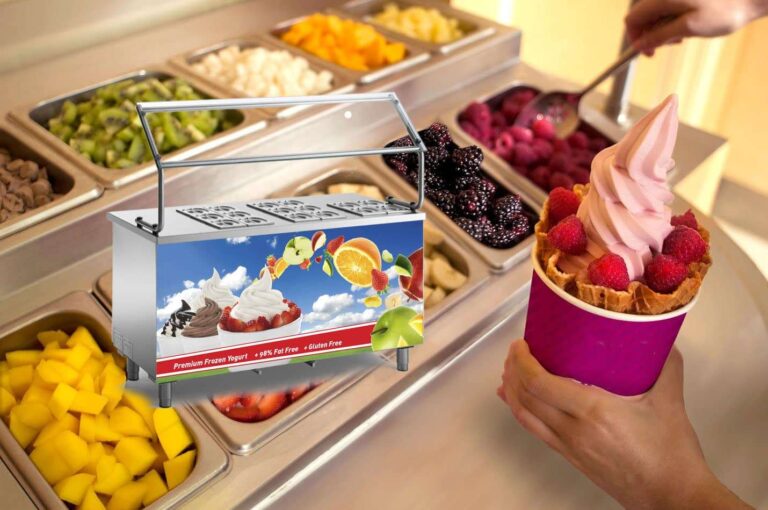
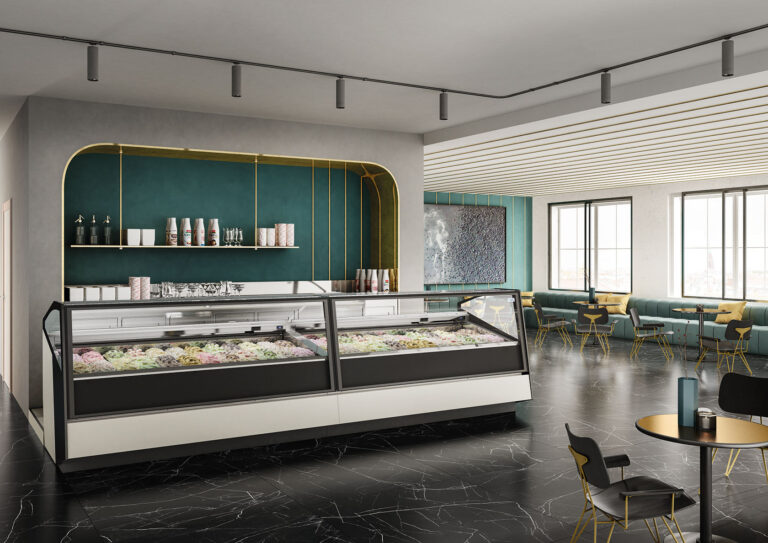
| Toppings & display | A refrigerated topping counter, display cabinet and blast freezer if you also sell take-home tubs. |
| Packaging | Cups, spoons, cones and take-away tubs, ideally branded. |
| Service & parts | Scheduled servicing, gaskets and wear parts. Keep a spare parts kit on site. |
| Cleaning & labour | Time to clean down. Heat-treatment models extend the time between full clean-downs. |
Call 1800 625 677 for a quote covering the machine, installation and your first mix order.
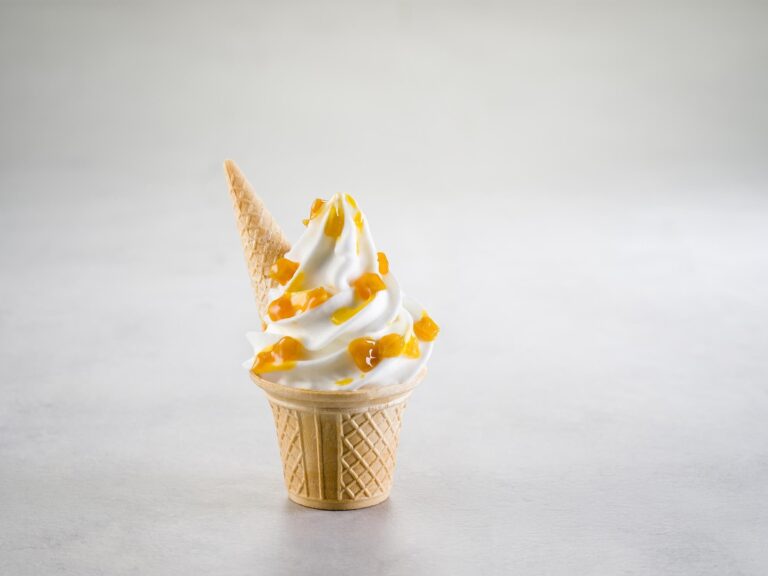
Is frozen yoghurt profitable?
Frozen yoghurt can be a strong-margin product, but the machine is only part of the equation.
- Low cost per serve. Mix is inexpensive compared with the sale price, and pump-fed machines stretch each litre further.
- Pay by weight. Self-serve stores charge by weight, and toppings lift the average sale.
- Fixed costs decide the outcome. Rent, wages and foot traffic matter more than the machine price.
- Plan for seasons. Summer peaks are strong; add tubs, shakes and hot drinks for winter.
- Know your break-even. Work out how many serves a day cover your rent and wages before you sign a lease.
The rest of the set-up
A machine makes the product. These turn it into a store.
The buyer’s checklist
- Your busiest hour: how many serves, and how many flavours on the menu?
- Bench or floor space, with clearance for airflow
- Power: single or three phase, and a dedicated circuit
- Gravity or pump feed, and whether you want heat treatment
- Your mix supplier, and the cost per serve with that mix
- Topping counter, display cabinet and blast freezer for take-home
- Cups, tubs and branding
- Who installs, trains staff and services the machine
- Cleaning routine and who owns it each night
- Break-even: serves per day needed to cover rent and wages
Frozen yoghurt machine questions
Which frozen yoghurt machine is best for a small café?
A single-flavour countertop machine such as the Gelmatic Giotto 11, Gelmatic BC Easy 1 GR or Carpigiani 161 T G SP. They run on single-phase power and fit on a standard bench.
Do I need three-phase power?
Not always. Most countertop single-flavour machines and several Gelmatic twin-twist models run on single phase. Larger Carpigiani 193 and XVL machines need three phase. Each machine page lists its power supply.
How many machines does a self-serve store need?
Most self-serve stores run four to six twin-twist machines, giving 8 to 12 flavours plus swirls.
What is the difference between gravity and pump-fed machines?
Gravity-fed machines are simpler and give a denser product. Pump-fed machines add more air (overrun), giving a lighter texture and more serves from each litre of mix.
What is heat treatment or self-pasteurisation?
Heat-treatment (SP) machines pasteurise the mix inside the machine overnight, so you can go longer between full strip-down cleans while keeping the product safe.
Is a frozen yoghurt business profitable?
It can be. Ingredient cost per serve is low and self-serve stores charge by weight, but profit depends on rent, foot traffic, staffing and seasonality. Work out your cost per serve and break-even before you sign a lease.
Do you supply mix and service as well as machines?
Yes. We supply frozen yoghurt mixes, toppings equipment, display cabinets and blast freezers, and arrange installation and servicing across Australia and New Zealand.
Get a recommendation for your venue
Tell us your venue, menu and expected volume. We will recommend a machine and arrange a demonstration.